Adapt or die. It's the oldest rule in business. And the most consistently ignored. Consider Kodak. A company so dominant, so entrenched, so seemingly untouchable that when one of their own engineers invented the digital camera in 1975, they buried it. Not because they couldn't see the future. Because they were too invested in the present.
We all know how that story ended.
The same principle applies to how businesses sell today. The world of marketing has changed irreversibly. Consumer behaviour, trust dynamics, and purchasing psychology have all shifted. Yet thousands of businesses are still using the same high-pressure, hard-sell tactics that worked (sort of) in the 1990s. And just like Kodak, they're losing ground to competitors who figured out a better way.
"Kodak invented the future and then refused to live in it. Don't make the same mistake with your marketing strategy."
Stephanie van Zyl, Salt & Light CreationsWhat "Hard Selling" Actually Looks Like Today
Hard selling in the digital age isn't just door-to-door salespeople with aggressive scripts. It shows up in subtler, and not-so-subtle, ways across every channel:
- Constant "BUY NOW" posts with no context or value
- Email sequences that skip relationship-building and go straight to the pitch
- Retargeting ads that follow people around the internet with the same offer they already ignored
- DMs that open with a product pitch before any connection has been established
- Pop-ups, countdown timers, and artificial scarcity designed to manufacture urgency
- Content that always ends with a hard call-to-action rather than genuine helpfulness
These tactics share a common thread: they prioritise the seller's need to convert over the buyer's need to trust. And in a market where consumers have infinite choices and zero tolerance for being pressured, that is a fatal miscalculation.
The Data Doesn't Lie
The research on modern buying behaviour is clear and consistent. Buyers, whether B2B or B2C, are doing more research, taking longer to decide, and placing greater weight on trust and authenticity than ever before.
Studies consistently show that 81% of consumers need to trust a brand before they make a purchase. And that trust isn't built through clever ads or persuasive copy alone. It's built through consistent, valuable presence over time, across multiple channels, through multiple touchpoints.
The Trust Economy
We're living in what marketers call the Trust Economy. In this environment, the most valuable currency isn't reach or clicks. It's credibility. Brands that invest in building genuine trust through content, community, and consistency are outperforming those that spend the same budget on hard-sell advertising by significant margins. The question is no longer whether to build trust. It's how fast you can do it.
Why Hard Selling Fails Specifically in South Africa
The South African market has some unique characteristics that make hard selling particularly counterproductive. Our consumers are savvy, sceptical, and community-oriented. They ask for recommendations before buying. They check reviews. They talk to people they trust before spending money, especially in an economic climate where every rand counts.
In this context, a brand that leads with hard selling isn't just ineffective. It's actively signalling that it doesn't understand its own market. South African consumers respond to:
- Authenticity over polish. Real, honest communication beats slick marketing that feels fake.
- Community and connection. Brands that engage genuinely build loyal tribes that sell for them.
- Proof over promises. Case studies, testimonials, and visible results matter more than claims.
- Consistency over intensity. Showing up reliably over time builds the familiarity that drives purchase decisions.
The Alternative: Attraction-Based Marketing
Here's the good news: the alternative to hard selling isn't passive marketing. It's not "post content and hope." It's a deliberate, strategic approach to building the kind of magnetic presence that makes customers seek you out rather than run from you.
Attraction-based marketing operates on a simple but powerful premise: if you become genuinely valuable to your audience, the sales will follow.
What that looks like in practice:
- Content that educates, entertains, or inspires, not content that just sells
- Consistent presence across multiple channels: building the 11 touchpoints and 7 hours of exposure that research shows leads to purchase decisions
- Positioning as a trusted expert: when people see you as the authority in your space, they come to you
- Nurturing over pushing: supporting prospects through their journey rather than trying to shortcut it
- Delighting existing customers: turning buyers into brand advocates who do your selling for you
"The businesses that will thrive in the next decade aren't the ones with the most aggressive sales tactics. They're the ones people trust enough to recommend to their friends."
The Flywheel vs The Funnel: A Strategic Shift
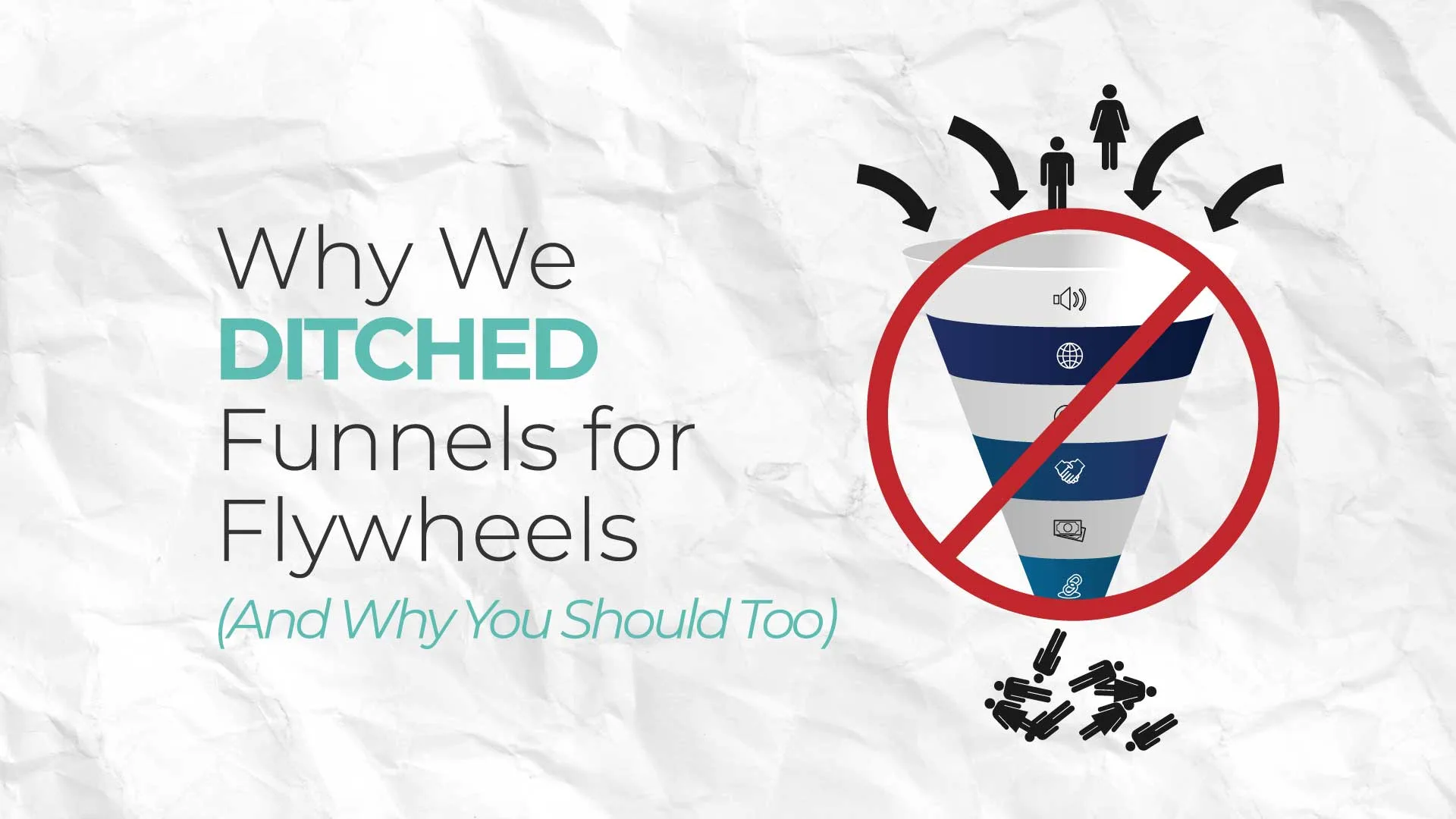
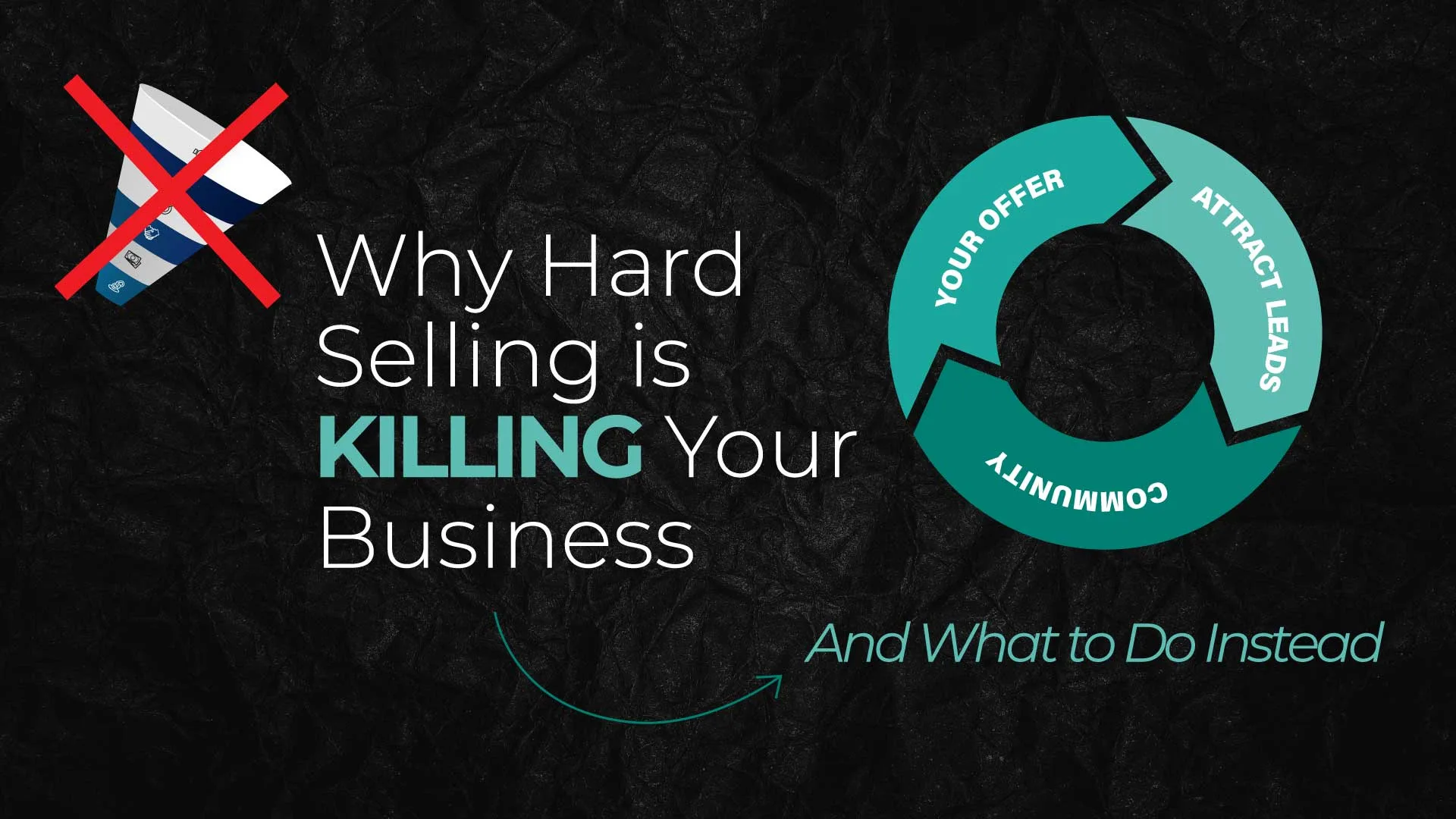
The hard-sell mentality is fundamentally rooted in funnel thinking: push people through a process as quickly as possible until they buy. The problem is that funnels are transactional, linear, and ultimately limited.
The flywheel model is different. It's circular, cumulative, and self-reinforcing. When you attract people with genuine value, engage them with consistent quality, and delight them beyond their expectations, they don't exit the system after purchase. They feed back into it, as repeat buyers, as referrers, as advocates. The wheel spins faster with every positive interaction.
This is why the most successful brands of the last decade, the ones with genuinely loyal followings and sustainably growing businesses, have almost universally shifted away from hard selling and toward relationship-first, value-first marketing.
It's Time to Adapt
Kodak knew the future was digital. They had the technology, the talent, and the opportunity. But adaptation requires letting go of what's comfortable, and they couldn't do it.
If you're still relying on hard selling as your primary growth strategy, the future is already here. And it's not buying what you're pitching. The businesses that adapt now, that build trust before asking for sales, that invest in relationship-first marketing, will be the ones still standing when everyone else has run out of people to push.
Adapt. Evolve. Or get left behind. The choice has always been yours.
At Salt & Light Creations, I help businesses make the shift from hard selling to smart marketing. Building trust, authority, and sustainable growth through strategy that actually works. Ready to adapt? You know where to find us.