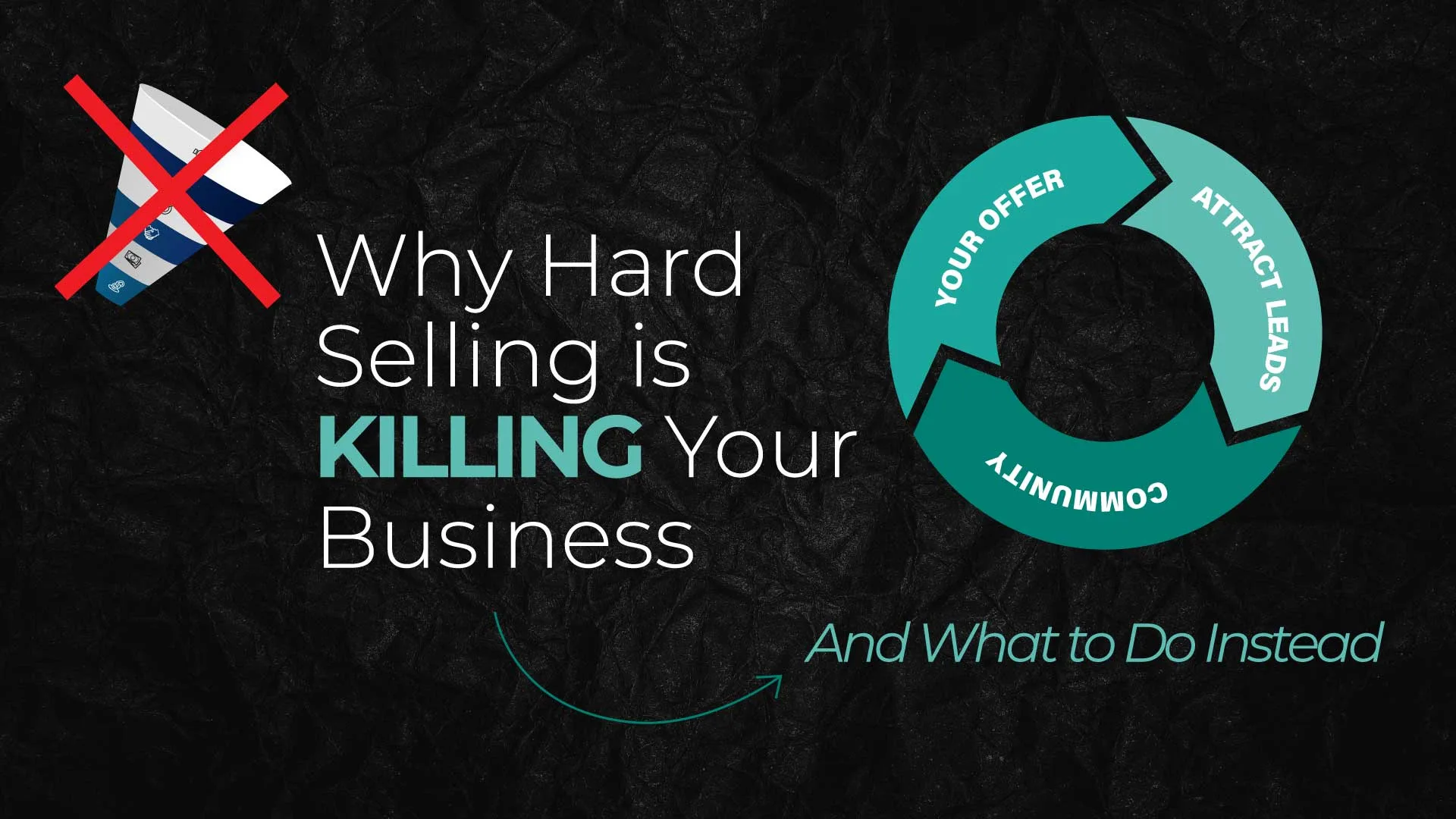
The funnel is dead. Or at least, it should be. I said it. And yes, I know that's a bold statement for a marketing agency to make, especially one that spent years building them. But here's the truth: the traditional sales funnel was designed for a world that no longer exists, and clinging to it is quietly costing businesses their momentum, their reputation, and their growth.
The other day, someone asked me: "Why are you moving away from funnels?" The answer is simple. Because funnels end. And in marketing, ending is the worst thing you can do.
"Funnels treat your customers as a destination. Flywheels treat them as a force."
Stephanie van Zyl, Salt & Light CreationsWhat's Wrong with Funnels?
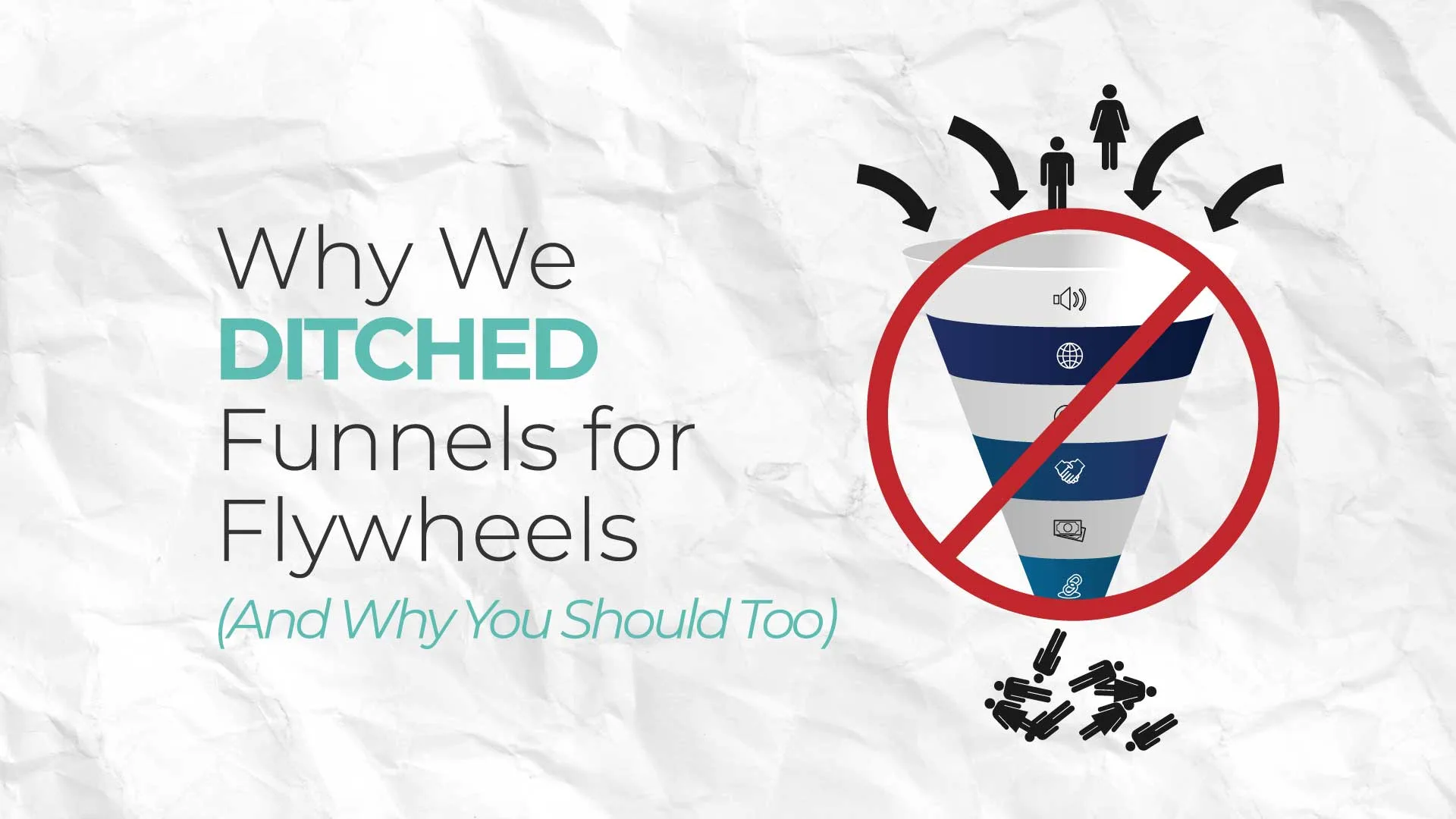
The funnel model has been the backbone of marketing for decades. Prospects enter at the top - awareness - and are guided down through consideration and conversion until they reach the bottom: the sale. Job done. Move on to the next prospect.
The problem? People aren't water. They don't simply flow through a pipe and disappear at the bottom. Real human beings - your customers - have ongoing relationships with your brand long after they buy from you. A funnel ignores all of that.
Here's the thing. Here's what a funnel gets wrong:
- It treats the sale as the finish line, not the starting line
- It focuses almost entirely on acquisition while neglecting retention
- It creates a transactional relationship rather than a genuine one
- It generates friction - the harder you push people down the funnel, the more they resist
- It discards customers once they've converted, losing enormous long-term value
And the biggest issue of all? Funnels stop. Once a prospect exits - whether they bought or not - the momentum disappears. You have to start all over again with the next lead.
Enter the Flywheel
The flywheel model, popularised by Jim Collins and later adapted by HubSpot, changes the entire frame. Instead of a linear pipeline, the flywheel is a continuous cycle. And the energy it generates compounds over time.
The flywheel runs on three stages:
- Attract: Draw in potential customers through genuinely valuable content, honest messaging, and smart positioning. You're not interrupting people. You're becoming relevant to them.
- Engage: Build real relationships. Answer questions. Solve problems. Be present and consistent. This is where trust is built. And trust is the currency that drives every sale worth having.
- Delight: Exceed expectations after the sale. Go beyond the transaction. When customers are delighted, they become something more powerful than any ad campaign: advocates. They refer. They review. They return.
The magic of the flywheel is that each satisfied customer doesn't exit the system - they feed back into it. Their referrals, reviews, and repeat business spin the wheel faster, reducing the effort required to attract the next customer. Momentum builds on itself.
The 7-11-4 Rule
Research shows that people need to encounter your brand at least 7 hours of content, across 11 touchpoints, in 4 different locations before they're ready to buy. A funnel can't achieve this. A flywheel - built on consistent, multi-channel presence - is designed for exactly this kind of long-term trust building.
The 7-11-4 Rule: Why Patience Wins
One of the most important marketing frameworks we operate by is the 7-11-4 rule. The research behind it shows that before a prospect is ready to commit, they need to have consumed approximately 7 hours of your content, encountered your brand across 11 separate touchpoints, and found you in 4 different channels or contexts.
Let that sink in. Seven hours. Eleven touchpoints. Four channels.
No single ad campaign achieves this. No one-time email sequence either. This kind of depth of familiarity is only built through sustained, consistent presence - exactly what the flywheel is designed to create.
When you understand the 7-11-4 rule, pushy sales tactics start to look not just ineffective but counterproductive. Every hard sell you push before those trust thresholds are met is actually pushing the customer further away, resetting the relationship back to zero.
"Stop chasing leads. Start attracting clients. The difference is everything."
What a Flywheel Business Looks Like in Practice
We've seen this shift play out in real terms with clients who moved from funnel-first to flywheel-first thinking. Here's what changes:
- Content becomes an asset, not a campaign. Instead of one-off promotions, you build a library of valuable content that works for you around the clock.
- Customer service becomes marketing. When you genuinely delight customers, they do your marketing for you through word of mouth, reviews, and referrals.
- Metrics shift. You stop obsessing over click-through rates and start caring about lifetime value, repeat purchase rate, and Net Promoter Score.
- The cost of acquisition drops. As your flywheel spins faster, referrals and organic traffic reduce your dependence on paid acquisition.
- Your brand builds authority. Consistent, valuable presence over time positions you as a trusted expert in your field. And experts don't need to hard-sell anyone.
So, Should You Abandon Funnels Entirely?
Not necessarily. Funnels still have their place - particularly for specific campaigns, product launches, or lead nurturing sequences. But they should be a tool within a larger flywheel system, not the entire strategy.
Think of it this way: a funnel is a sprint. A flywheel is the marathon that actually wins the race. You need both the short-term focus and the long-term momentum. But if you've been putting all your energy into the sprint and ignoring the marathon, it's time to rebalance.
The brands that will win in the next decade aren't the ones with the cleverest funnels. They're the ones who built enough trust, enough presence, and enough genuine value that customers choose them - again and again - without ever being pushed.
That's the flywheel. That's where we're putting our energy. Your move.
At Salt & Light Creations, we build marketing strategies rooted in trust, consistency, and long-term momentum. If you're ready to stop chasing leads and start attracting clients, you know where to find us.
PS: Even a flywheel needs a close. When a lead is finally ready, we send the quote through Poetry proposal software, so saying yes is the easiest step in the whole journey.